Plant-based eating gets framed as either effortless or impossibly complicated, depending on who is talking. The truth sits in the middle. A few basics cover most of it.
What counts as plant-based?
Plant-based means meals built mostly or entirely from plants: vegetables, fruits, grains, legumes, nuts, and seeds. Some people go fully plant-based, others just shift the balance. Either way, the same fundamentals apply.
Where does the protein come from?
This is the first question almost everyone asks. Plenty of plants carry real protein:
- Legumes like lentils, chickpeas, and beans.
- Soy foods like tofu, tempeh, and edamame.
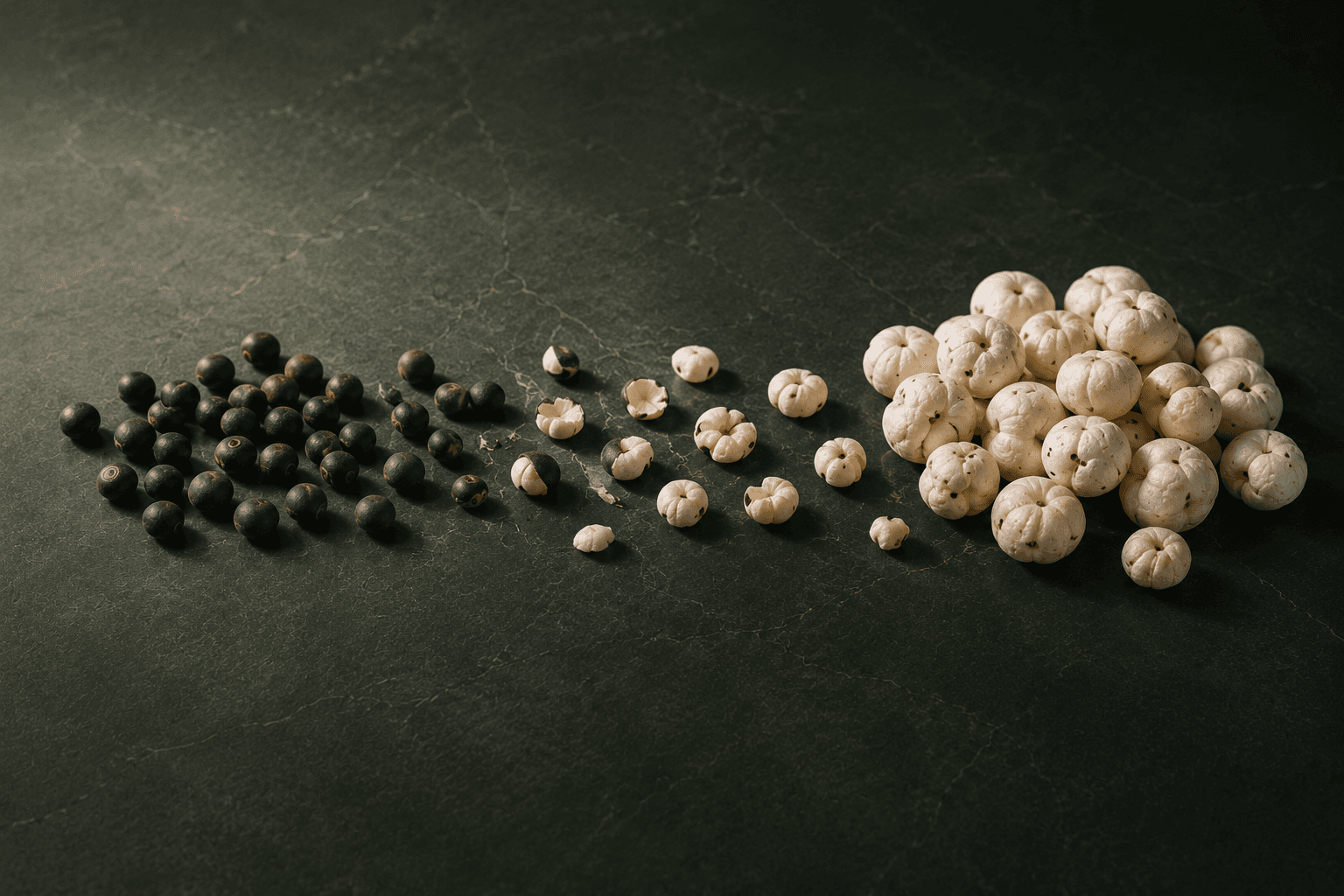
- Nuts and seeds, including the plant protein in makhana.
- Whole grains, which add a steady background amount.
Eating a range across the day covers the bases without much planning. You do not need to engineer every plate.
What about fiber and minerals?
This is where plants quietly shine. Whole plant foods bring fiber, which most people under-eat, plus minerals like magnesium and potassium. Makhana, for example, is a plant-based seed that is low in fat when dry-popped and provides those minerals while staying light.
A few nutrients deserve attention on a fully plant-based diet, like vitamin B12, which is worth getting from a fortified food or a supplement. That is a small, known gap, not a reason to overthink the whole approach.
How to build a balanced plant-based plate
A simple template handles most meals:
- A base of whole grains or starchy vegetables.
- A protein from legumes, soy, nuts, or seeds.
- Plenty of vegetables, ideally more than one color.
- A fat from nuts, seeds, or a good oil.
Snacks follow the same logic. A handful of makhana covers the light, plant-based, naturally gluten-free box without much thought. For more on that particular seed, see Why Makhana.