Makhana is a popped aquatic seed with a long, quiet history and a clean place in the modern pantry.
What is makhana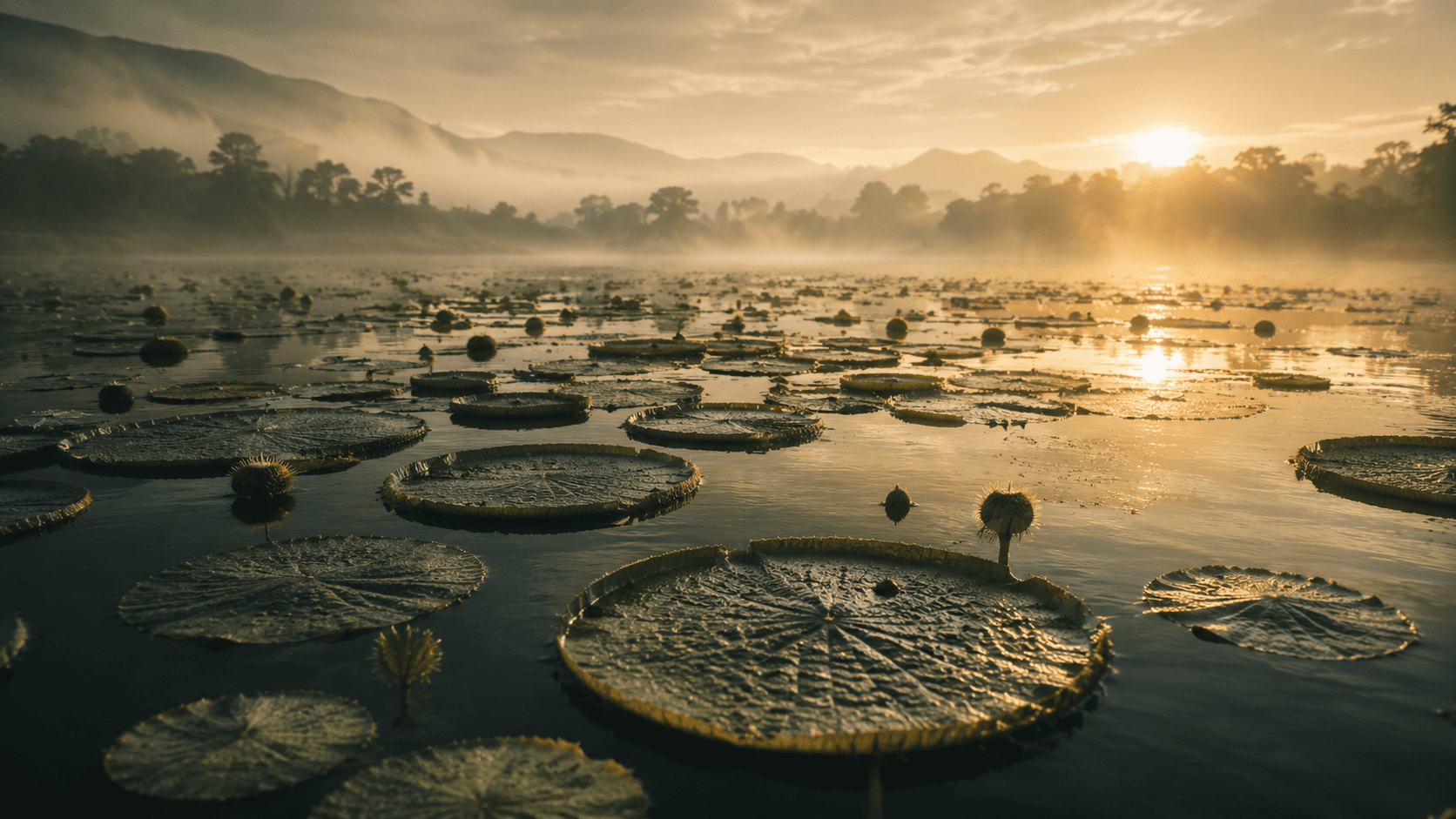
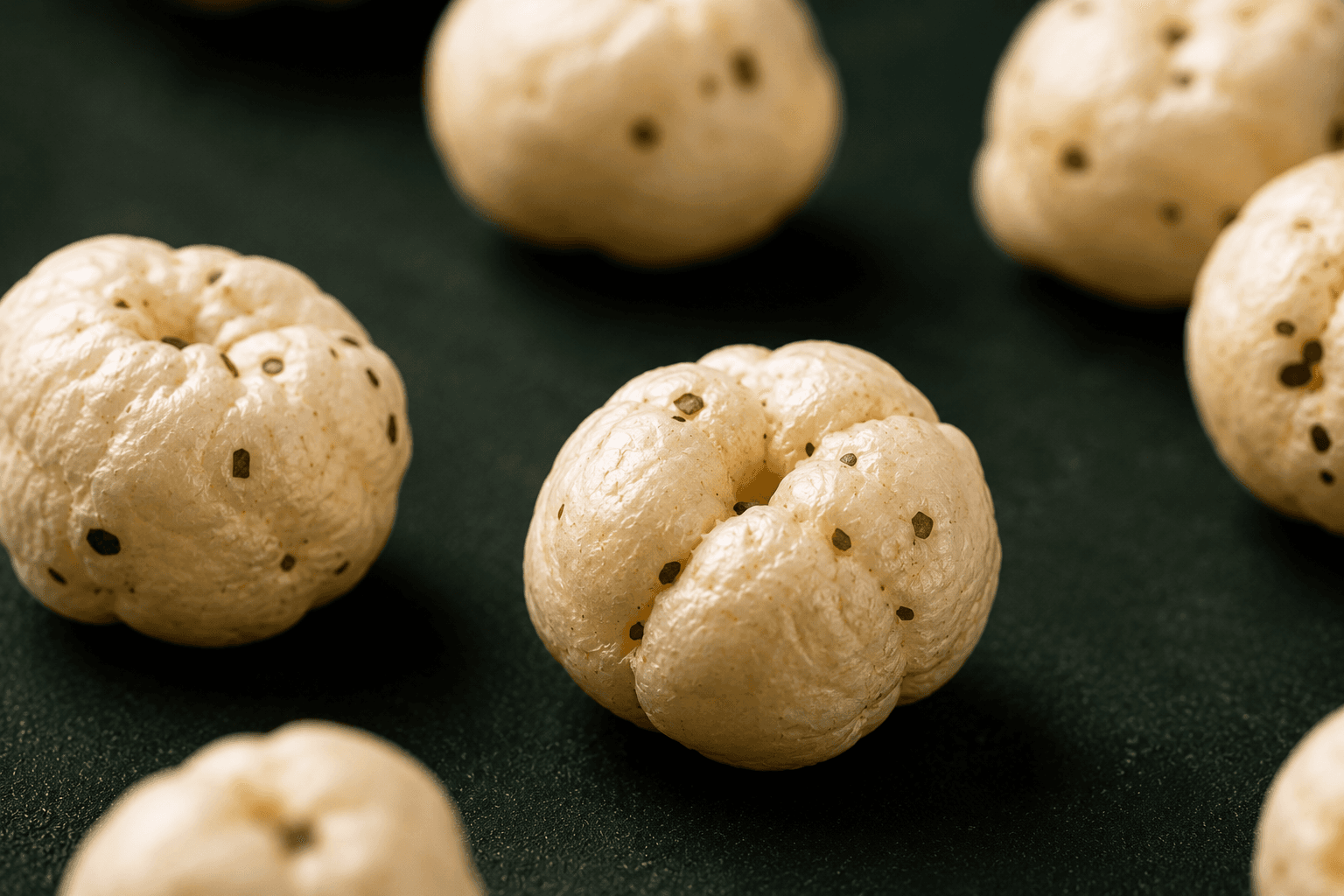
Makhana are the popped seeds of Euryale ferox, an aquatic plant that grows in still freshwater. Farmers harvest the raw seeds, dry them, and pop them with heat until they puff into light, crisp pieces. Most people know them as fox nuts. You will sometimes see them called lotus seeds, though the plant is not the true lotus.
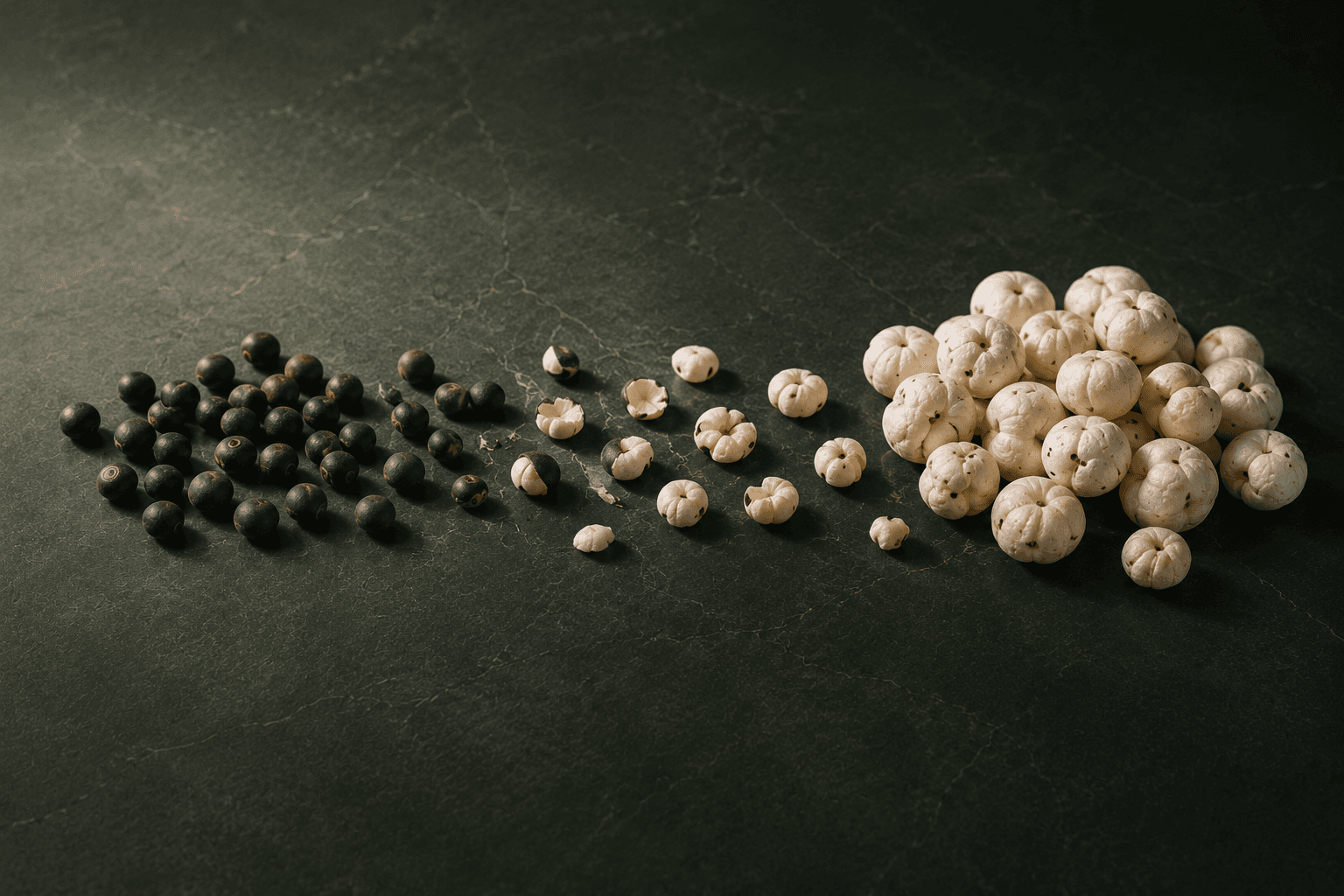
Euryale ferox is a flowering water plant with broad leaves that float on ponds and wetlands. Its seeds have been gathered and eaten across South Asia for centuries. Most of the world's makhana still comes from the freshwater wetlands of Bihar, in northern India, where it has been cultivated for generations. That is where we source ours.
Low in fat when dry-popped, and naturally plant-based. A snack that fits how people eat now.
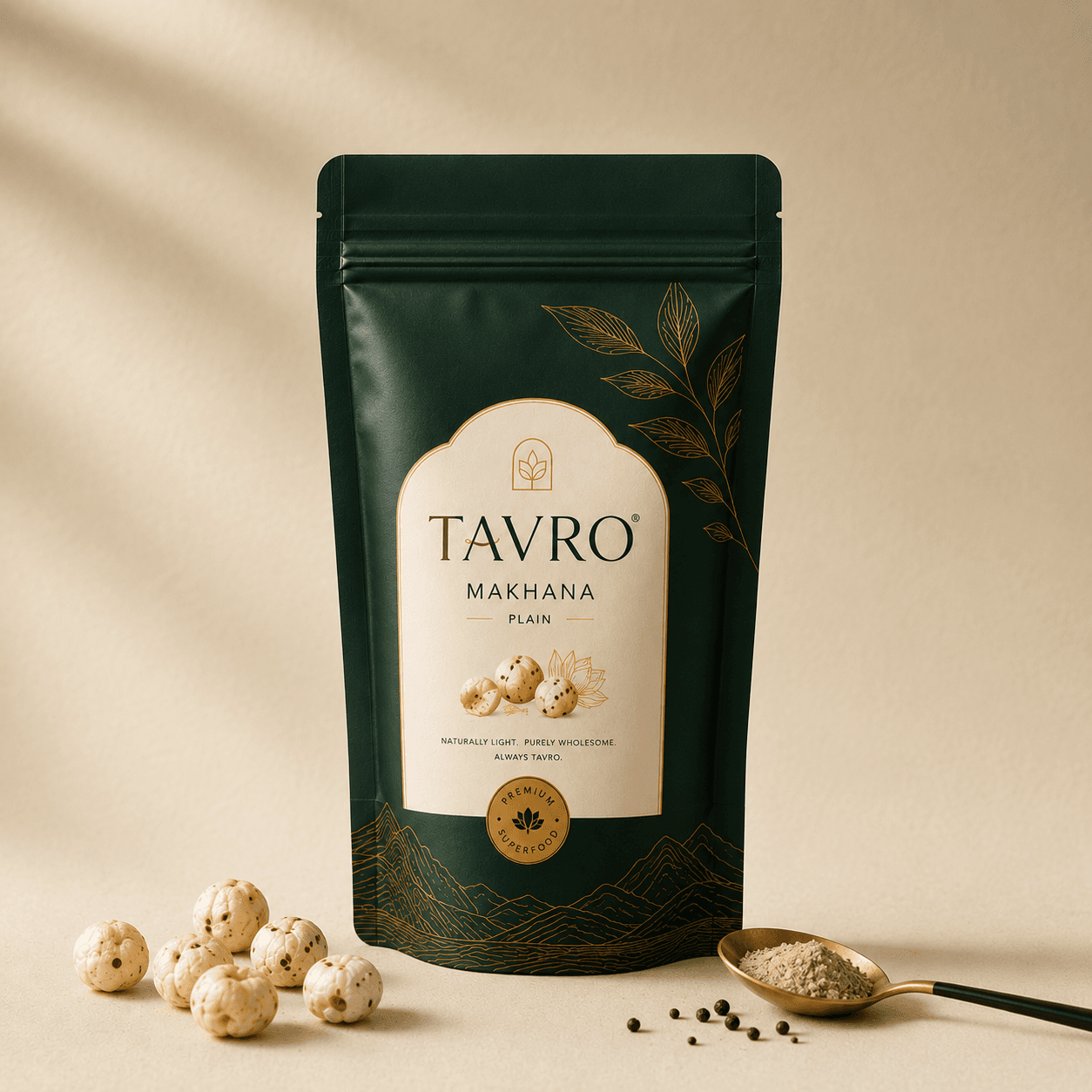
Plain makhana is one ingredient. Flavored packs add only what the name says.
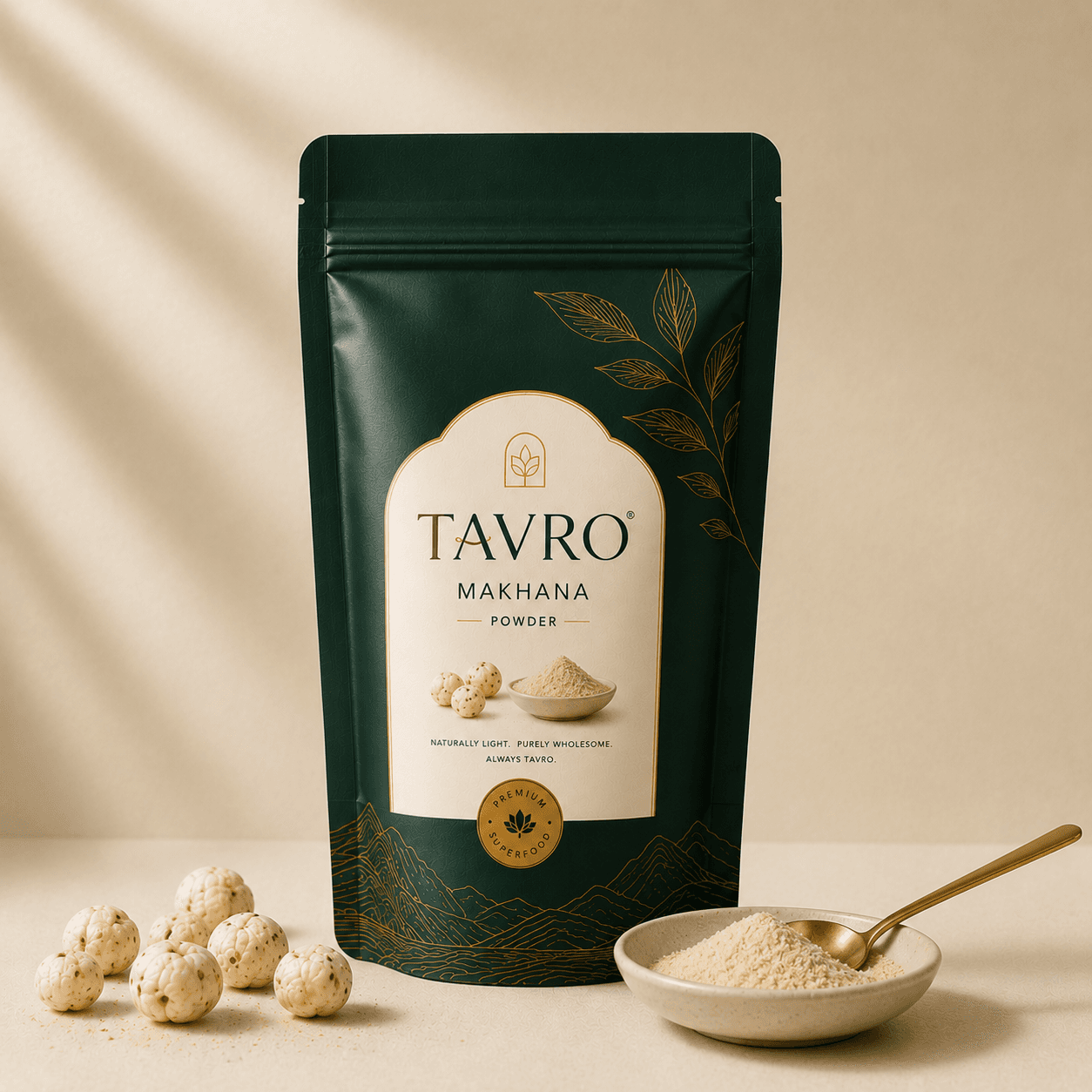
Eat it from the pack, season it, or mill it into a base for bowls and batters.
Plain makhana is naturally gluten-free and plant-based. It also offers plant protein and minerals like magnesium and potassium. Exact figures vary by product.
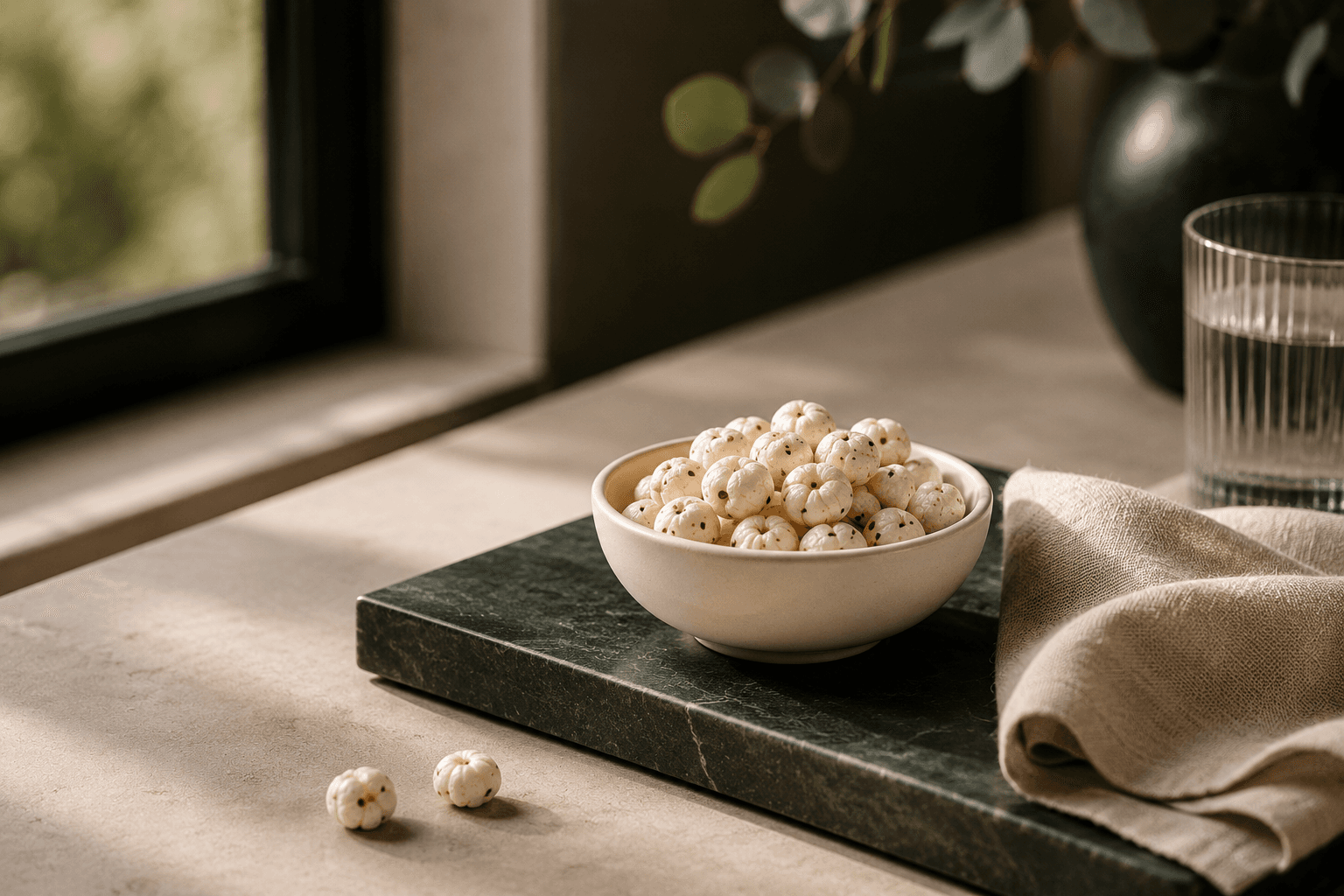
Straight from the pack, the way most people start.
Add crunch to yogurt, fruit, and grain bowls.
A quiet pairing for a mid-day cup, instead of a biscuit.
Makhana is a light, plant-based snack. Plain popped makhana is low in fat, offers some plant protein, and provides minerals like magnesium and potassium. It also has a relatively low glycemic index, so it tends to be a steady snack rather than a sugar spike. Exact figures vary by product and preparation.
Yes. Fox nuts is the common English name for makhana. Some people also call them lotus seeds, although the plant, Euryale ferox, is not the true lotus.
Yes. Makhana is a seed, so plain popped makhana is fully plant-based. Check flavored packs for their ingredients.
Plain makhana is naturally gluten-free. If you need a certified gluten-free product, confirm the specific pack and our handling.
The seeds are harvested from the water plant, dried, and popped with heat until they puff and crisp. Plain makhana has nothing added.
Most of the world's makhana grows in the freshwater wetlands of Bihar in northern India, where it has been cultivated for generations.
Strength, grown quietly.
